Nests That Threaten Daily Outdoor Use
Wasp Removal in Goshen for properties with active nests near entrances and high-traffic areas
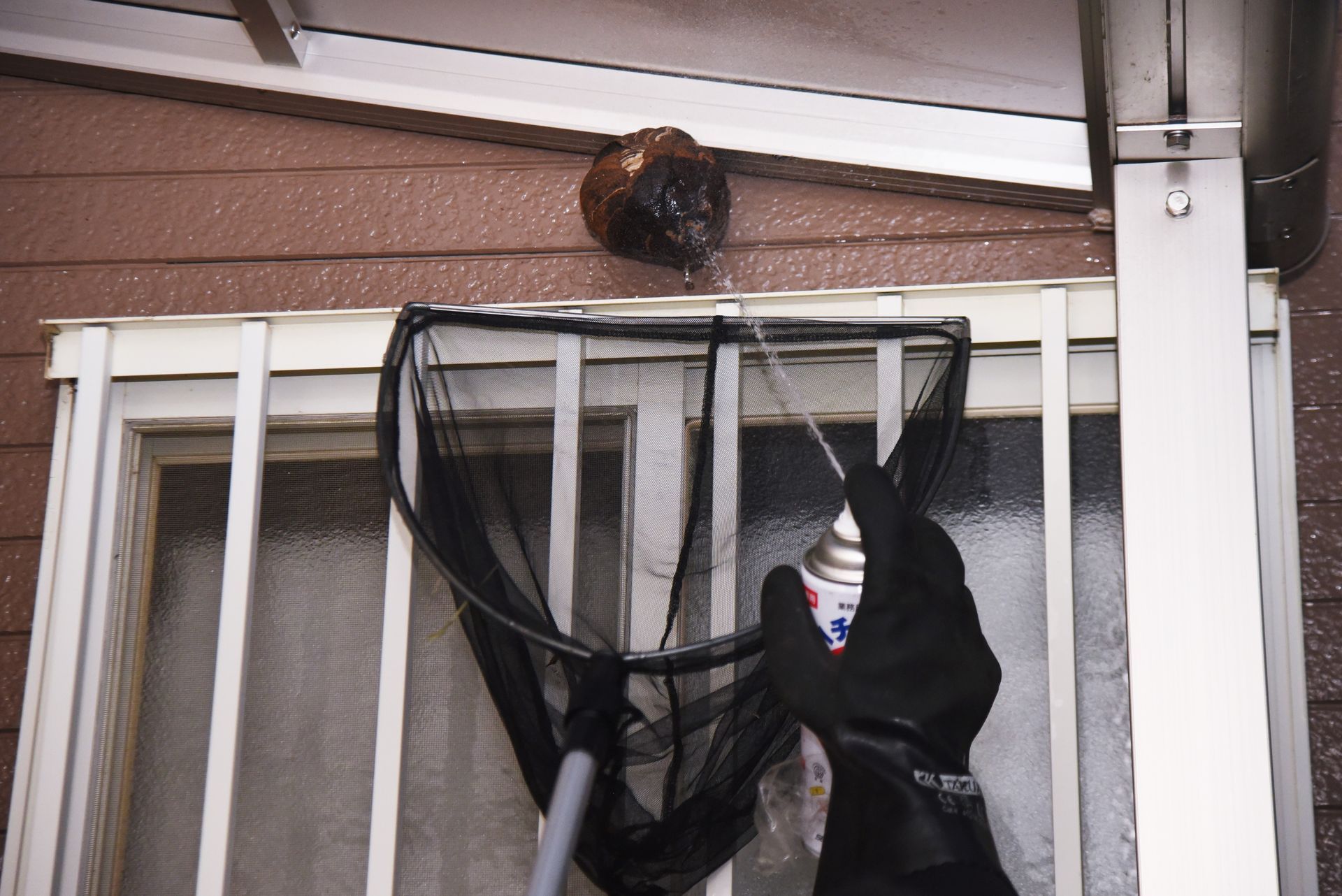
Active wasp nests positioned near doorways, patios, or play areas force families to avoid parts of their own property. Panvibes Professional Pest Solutions addresses wasp activity by locating nests on structures and surrounding property features, then safely removing the threat so outdoor spaces become usable again. Properties throughout Goshen often see wasp populations build quickly during warmer months, particularly when nests form under eaves, inside wall voids, or within dense landscaping.
The service begins with identifying nest locations and evaluating infestation levels, which determines whether a single colony or multiple nests require attention. Yellow jackets, paper wasps, and hornets each nest differently—some build exposed paper structures while others occupy hidden cavities—so the removal approach adjusts based on species behavior and nest accessibility.
Schedule a property inspection to identify all active nest sites and assess safety risks before wasp populations grow larger.
What Proper Nest Removal Requires
Wasp removal involves more than eliminating the visible nest. Technicians evaluate whether wasps are entering through gaps in siding, vents, or roof edges, since some species nest inside wall cavities where the structure remains hidden. Treatment targets both the active colony and the nest structure itself to prevent returning wasps from reestablishing in the same location.
After removal, you notice wasps no longer hover near entryways, children can play in the yard without risk of stings, and outdoor furniture or grills become safe to use again. Panvibes Professional Pest Solutions also addresses conditions that attracted wasps initially—open trash containers, untrimmed vegetation touching the roofline, or gaps in exterior trim that provide nest-building opportunities.
Recurring wasp activity often results from incomplete nest removal or unaddressed entry points, so the service includes recommendations for sealing vulnerable areas and reducing attractants like exposed food waste or standing water near structures. Properties with fruit trees, compost bins, or dense shrubs near the foundation typically see higher wasp pressure and benefit from targeted prevention measures.
What Property Owners Usually Ask
Understanding wasp behavior and removal methods helps property owners respond appropriately when nests appear near active living spaces.
What happens when a nest is located inside a wall void?
Technicians may need to drill a small access point to treat the colony inside, then seal the entry hole wasps used to prevent future nesting in that cavity.
How quickly should I call after discovering a nest?
Wasp colonies grow rapidly during peak season, so prompt service reduces the number of stinging insects present and lowers the chance of defensive behavior when people approach the nest unknowingly.
Why do wasps return to the same spot each year?
Some species release pheromones that mark successful nesting sites, and if the old nest structure or entry point remains, new queens may establish colonies in the same location the following spring.
What makes wasp activity more common in Goshen during late summer?
Food sources shift as natural nectar supplies decline, causing wasps to scavenge near trash bins, outdoor dining areas, and sugary drink containers, which increases human encounters.
How does removal differ between paper wasp nests and yellow jacket colonies?
Paper wasp nests are typically exposed and attached to eaves or branches, making them easier to treat directly, while yellow jackets often nest underground or in concealed voids, requiring different application methods and more extensive site evaluation.
Panvibes Professional Pest Solutions evaluates wasp activity across residential and commercial properties in Goshen, providing solutions that address both immediate safety concerns and conditions that encourage recurring infestations. Contact the service to arrange an inspection when nests are discovered near areas you use regularly.