Structural Damage Prevention Through Colony Elimination
Carpenter Ant Control in Goshen for properties with moisture conditions, wood decay, and active nesting in structural timbers
Carpenter ants excavate wood to create nesting galleries rather than consuming it for nutrition, meaning their presence indicates both pest activity and underlying moisture problems that soften wood and make it easier to tunnel through. Panvibes Professional Pest Solutions addresses carpenter ant infestations in Goshen by inspecting properties for active colonies, identifying moisture sources that attract these pests, and targeting nesting areas both inside structures and in exterior satellite colonies that feed foraging trails into homes. The inspection process involves checking roof eaves, window frames, door thresholds, deck supports, and other areas where water intrusion or humidity creates conditions favorable for carpenter ant establishment.
Active colonies produce piles of sawdust-like frass near exit holes, and large black ants are often observed traveling along consistent trails between nesting sites and food sources during evening hours. The longer colonies remain active, the more extensive the tunneling becomes, eventually compromising the structural integrity of beams, joists, and framing members that support critical loads within your property.
Request an inspection at the first sign of large black ants or sawdust accumulation to identify nesting locations before damage expands.
Why Carpenter Ant Control Requires Dual Focus
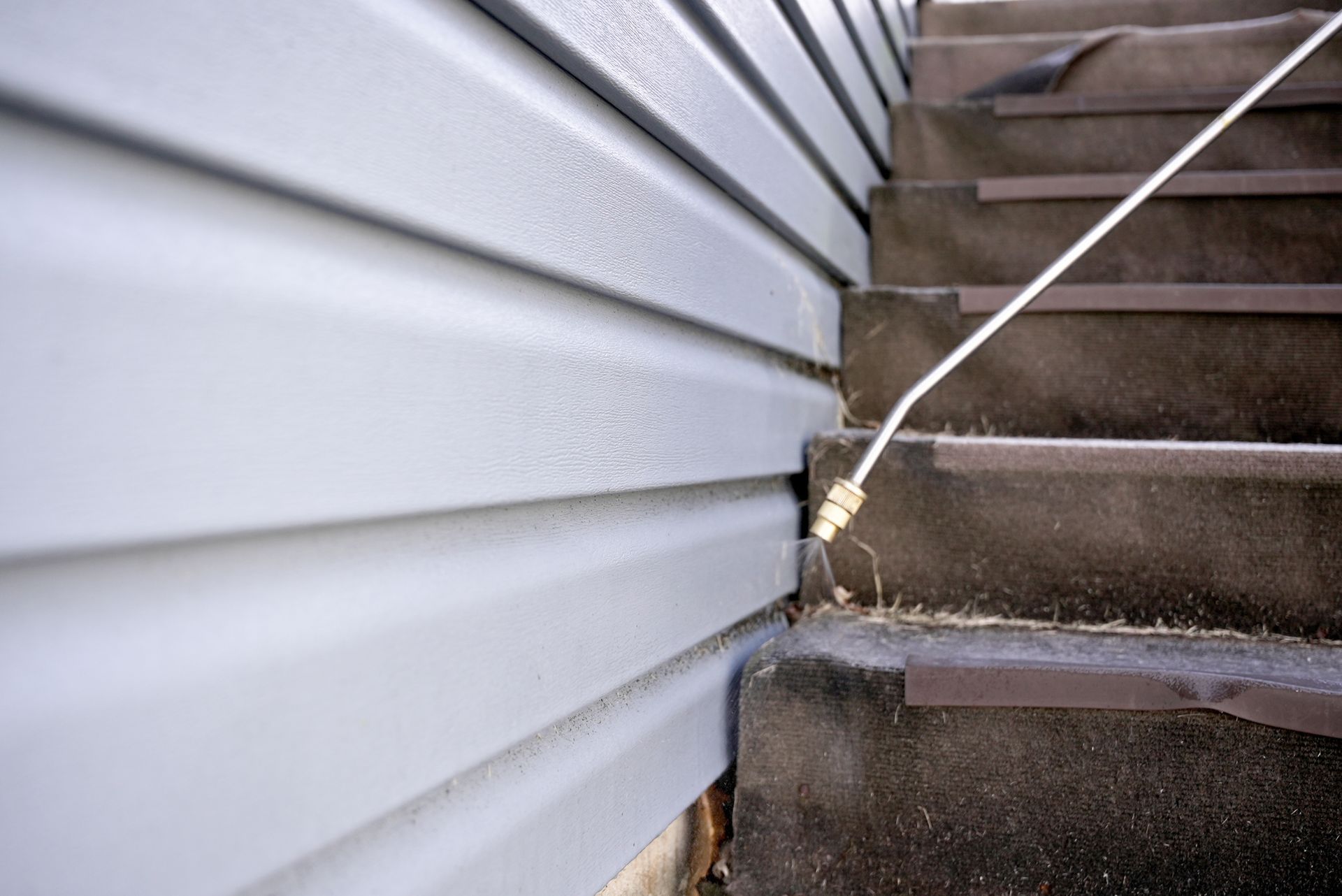
Effective carpenter ant control targets both the colony itself and the moisture conditions that made the wood vulnerable to infestation in the first place, since eliminating ants without addressing water intrusion or decay simply allows new colonies to establish in the same locations. Treatment involves locating parent colonies in wall voids, attics, or exterior wood piles, along with satellite colonies that house overflow populations, then applying control measures that reach deep into nesting galleries where reproductive queens reside.
Once treatment is complete and moisture issues are corrected, you no longer observe ants trailing through your home, frass stops accumulating near nest sites, and structural wood remains stable rather than continuing to weaken from ongoing excavation. Foraging activity ceases as colonies are eliminated, and monitoring confirms that new ants are not entering from untreated satellite nests located in landscaping timbers, tree stumps, or firewood piles near the structure.
Treatment recommendations often include repairing roof leaks, improving ventilation in crawl spaces, replacing water-damaged wood, and removing exterior wood debris where satellite colonies thrive. Infestation severity determines whether treatment can be localized or must address multiple nesting sites across the property.
Answers to Carpenter Ant Questions
Property owners facing carpenter ant activity need clarity on how these pests differ from other ants and what effective control requires.
What attracts carpenter ants to a property?
Carpenter ants are drawn to wood softened by moisture from roof leaks, plumbing issues, poor drainage, or high humidity, as damp wood is easier to excavate for nesting galleries than dry, sound lumber.
How can homeowners tell if damage is severe?
Structural damage assessment involves probing suspected wood with a screwdriver to check for hollowing, observing whether frass piles are large and continuous, and determining how many areas of the property show signs of active nesting.
When are carpenter ants most active in Goshen?
Carpenter ant activity peaks during spring and summer months when colonies expand and winged reproductive ants swarm to establish new nests, though mature colonies remain active year-round inside wall voids and other protected areas.
What is the difference between parent and satellite colonies?
Parent colonies contain the queen and are typically located in moist wood near the infestation origin, while satellite colonies house workers and are established in drier areas both inside structures and in exterior wood sources connected by foraging trails.
Why do carpenter ants return after treatment?
Reinfestation occurs when satellite colonies in exterior wood sources are not treated, when moisture problems are not corrected, or when treatment fails to reach deep into nesting galleries where queens and brood remain protected.
Panvibes Professional Pest Solutions provides carpenter ant control that addresses both active colonies and contributing moisture conditions throughout Goshen. Schedule an evaluation to locate nesting sites and receive recommendations for protecting your property's structural integrity.